Answers to the questions customers ask most often: about prices, types of film, the installation process, care and our service area. The answers are as specific as we can make them, including the cases where film does not solve the problem.
This page brings together 24 questions in five sections. If you're looking for something specific, use the links below. If your question isn't here, ask it in the description field of the form and we'll answer it on the phone along with your quote.
Prices start from €25/m² for solar control, heat rejection, mirror, frosted, blackout, one-way vision, UV and thermal insulation films. Patterned decorative films start from €29/m². Safety films start from €25/m² in the standard thickness, from €35/m² reinforced and from €41/m² for the thickest grade. The price covers both the film and the labour, so there is nothing extra to pay for the installation. Prices are shown excl. VAT and the minimum order is €75. We confirm the final total after free on-site measuring.
The base price for most films is from €25/m². The word “from” is not a get-out: the real cost of a square metre genuinely does vary from site to site. Ten square metres in one large shop window is simpler and quicker than the same ten square metres split across twenty small panes, each of which needs its own cut and creates more offcut waste. The price is also affected by the shape of the glass, the floor, access and whether there is furniture in front of the windows. That is why we give an exact figure after measuring.
Every visit involves travel, preparing materials and laying out tools, whether we are applying one square metre or ten. The €75 minimum order covers those costs. For the customer the practical implication is simple: if the job is just one small window, it is worth considering doing the other windows in the same room or apartment at the same time, because each additional square metre is then charged simply at the square-metre rate.
The initial estimate we send after you fill in the form is approximate, because it is based on the area you have given us. After free on-site measuring we give a final price, and that is the price we work to. If measuring reveals that the actual area or the conditions differ significantly from what was originally described, we say so immediately and before the work starts - not on the invoice. For a detailed price list with worked examples, see the prices page.
There are five main groups. Solar control and heat rejection films reduce heat and brightness. Privacy films - which include frosted, blackout, mirror and one-way vision films - limit the view from outside. UV protection films cut the ultraviolet radiation that bleaches furniture and stock. Safety films hold the shards of glass together if the glass is broken. Decorative films and printed graphics are for design, logos and zoning. There is a more detailed comparison on the types of window film page.
There is no single answer, because different films solve different problems. The best film is the one that matches your particular task. If heat is the main issue, a darker solar control film will work better than a frosted one. If you need privacy in a bathroom, frosted film is the right choice and solar film will not help there. In practice the decision starts with three questions: what exactly is bothering you, do you want to keep the view out, and how much daylight are you prepared to give up.
Solar control and heat rejection films reflect and absorb part of the sun's heat at the glass, before it reaches the room. That makes a noticeable difference in summer, especially in south- and west-facing rooms, attic conversions and next to glass façades. The exact effect depends on the film chosen: the more heat a film reflects, the less light it usually lets through. Promising specific percentages would be dishonest, because the result also depends on the type of glass, the window area, the ventilation and which way the room faces.
In winter solar control film is less noticeable, because there is little sun. A darker film can make a room feel slightly gloomier in the cold season, and that is worth bearing in mind when choosing how light the film should be. Thermal insulation films are designed precisely to improve the heat balance of the glass all year round, not just in summer. If your problem is a chill by the windows in winter, it is worth mentioning that in your enquiry, because it changes our recommendation.
Every film reduces light transmission to some degree, but the amount varies enormously. There are almost invisible, clear films whose presence you never notice day to day, and there are distinctly dark films that noticeably dim a room. That is the central trade-off in this field: more heat reflection or more privacy usually means less daylight. If a room is already dark or faces north, we recommend a lighter film even though the effect on heat will be smaller.
For plants on the windowsill, film means less light, and the more sensitive ones will notice. In practice problems mainly arise when a dark film is fitted to an already shaded window. If you have plants on the sill that need plenty of light, it is worth saying so before the choice is made: we can then recommend a lighter film or treat only the upper part of the window. In many cases film is good for plants, because it protects them from direct midday sun scorch and from overheating against the glass.
We have to be honest here: condensation is not a problem that window film solves. Water forms on the glass because humid indoor air meets a cold surface, and the cause is usually insufficient ventilation or excessive humidity in the room. Film does not significantly change the temperature of the glass, so it does not prevent condensation. The solution is airing, ventilation and reducing humidity. If anyone promises that film will solve a condensation problem, there is no basis for it.
For a typical apartment with a few windows the work usually takes from a couple of hours to a single day. A single medium-sized pane takes about half an hour, including cleaning and cutting. For larger sites - office floors, shop windows or glazed façades - we plan the time separately and fit it around your working schedule. In most cases one day is enough, and the room can be used immediately after the work.
Yes, and that is how it is done almost every time. The film is applied to glass that is already installed, and there is no need to remove, dismantle or replace the windows. In most cases we apply it from inside the room, because there the film is protected from rain, frost and dust, and so lasts longer. We apply film on the outside when there is a specific reason to do so. This is exactly why film is considerably cheaper and quicker than replacing a glazing unit or an entire window.
Technically you can, and on a small window it sometimes works out. The difficulties start with larger panes. The most common faults are dust trapped under the film, which later shows up as specks against the light; air bubbles that never disappear on their own; an edge cut inaccurately; and the film creasing during application. Each of those means the film has to be taken off and applied again, and the material is ruined. On large shop windows and glass walls DIY application is practically impossible, because one person cannot hold the material.
No. We work in occupied rooms, and most of our jobs take place in exactly that setting. Working with film is clean: no dust, no noisy tools, no building waste. All we need is clear access to the window across roughly a metre, so windowsills should be cleared and heavier furniture near the window moved slightly aside. If you cannot do that yourself, tell us in advance and we will do it.
Film that is applied correctly to a sound pane does not damage the glass. There are two things to be aware of, though. First, if the glass already has scratches or cracks, removing the film in future can make them more noticeable, and cracked glass may break. Second, dark, heat-absorbing films increase the thermal load on certain glazing units, so the choice of film has to match the type of glass. That is precisely why we look at the glass on site during measuring, and will not fit a film that is unsuitable for it.
We process enquiries on working days. After you fill in the form we call you and talk through the initial estimate, then arrange a time for free measuring. For a typical apartment it usually takes a few days from enquiry to finished job, depending on how quickly we can agree on times and whether the chosen film is in stock. For larger sites, where material has to be ordered in specific sizes, the lead time is longer and we state it in the quote.
A quality film applied from inside the room will normally last for many years. Its lifespan depends on the type of film, how much direct sun the glass receives, humidity in the room and how the film is looked after. Conditions in a bathroom or kitchen are harsher than in a bedroom. Film applied outside is directly exposed to rain, frost and ultraviolet radiation, so it wears out faster than film applied inside. Wear usually begins at the edges or as a change of colour.
The first few days matter most: after installation the film needs to dry out, and during that time the windows must not be washed. Depending on the type of film and the room temperature, drying takes from a few days to a couple of weeks. After that, wash the windows as normal, with a soft cloth or a rubber squeegee and mild soapy water. Avoid abrasive cleaners, scrapers, the hard side of a sponge and cleaning products containing ammonia, as they can scratch or dull the surface of the film.
Yes. Film is not an irreversible decision, and removing old film is a separate service, with prices starting from €8/m². How long it takes depends on the age and condition of the film. Relatively new film can often be pulled off in large pieces. Old film that has baked in the sun tears into tiny fragments and the adhesive has to be removed separately, which takes considerably longer. After removal we prepare the glass so that new film can be applied straight away.
Riga and roughly a 50 km radius around it. That covers every district of Riga, as well as Jūrmala, Mārupe, Babīte, Ķekava, Baldone, Salaspils, Ikšķile, Ogre, Ādaži, Carnikava, Olaine, Saulkrasti and Sigulda. If you are not sure whether your address falls inside the area, put the location in the form and we will check it. The full list of towns is in the service area section.
No. We work with building glass only: apartments, houses, offices, shops, clinics, salons and production premises. It is worth saying that plainly, because some of the people who find this website are looking specifically for vehicle window tinting. Architectural films and automotive films are different materials with different requirements and a different installation method. We have specialised in one field.
We take enquiries through the form and then get in touch by phone. Fill in the form with the type of property, the approximate area and the problem you want solved. We then call you and recommend the most suitable films with a price per square metre and an approximate total. On the call we can clarify the measurements and the conditions on site straight away, so the estimate is closer to reality even before measuring.
The most useful thing is a description of four things: the type of property and the floor, the approximate number of windows and their area, which way the windows face, and what exactly is bothering you. Photos taken from inside the room help a great deal too, because they immediately show the window type, the number of panes and the access. Exact measurements are not needed, because we take them ourselves during the free measuring visit. If you don't know which film you need, simply describe the situation in your own words.
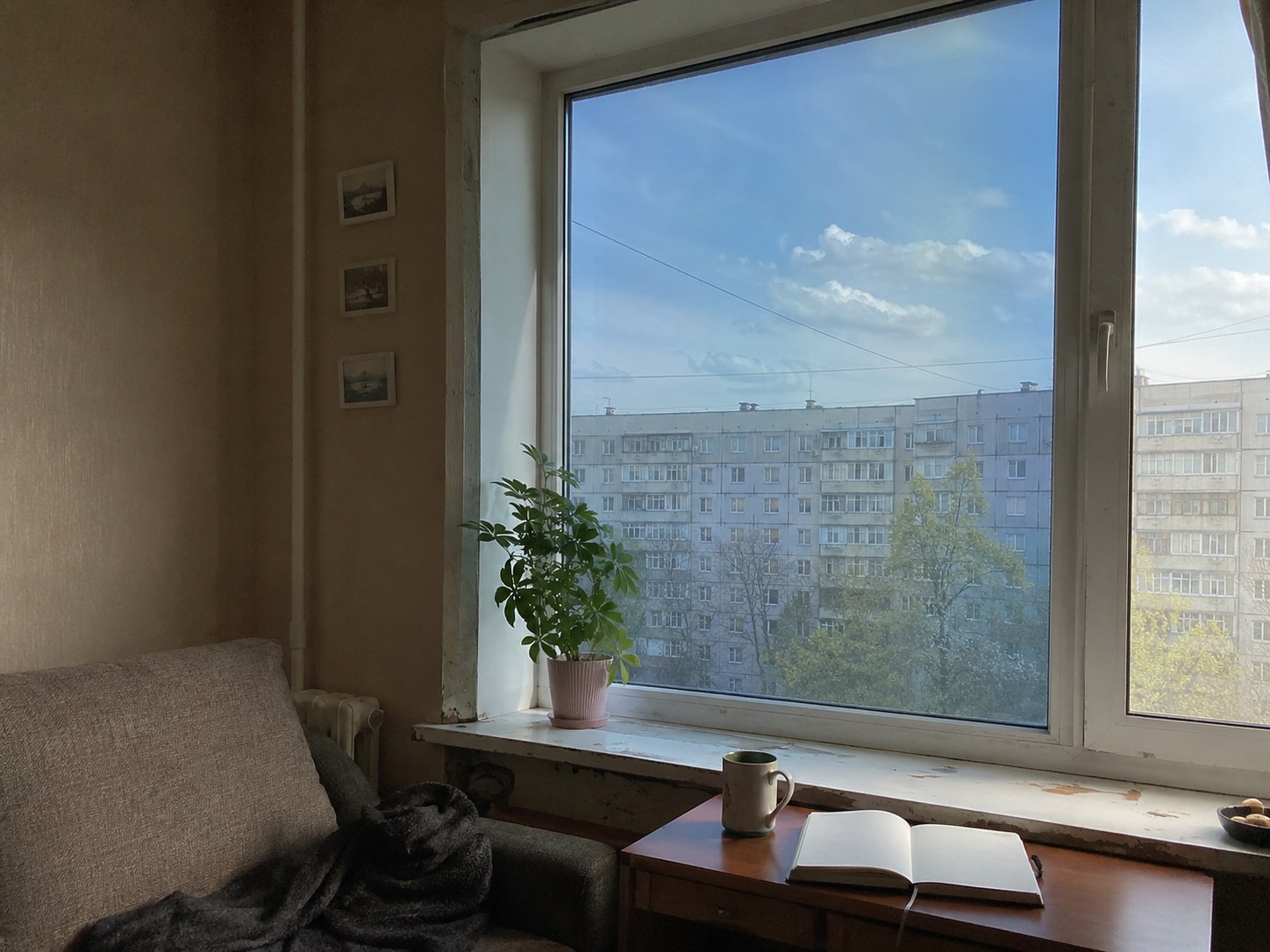
Every property is a little different, and some questions only come up once we have seen the actual windows. If your situation doesn't fit any of the cases described above, describe it in the form in your own words. The most useful description mentions which way the windows face, which floor the room is on, what exactly is bothering you and at what time of day.
You'll find a comparison of the individual films with their pros and cons on the types of window film page. The full list of services is in the services section, and the price list with worked examples is on the prices page.
If your question is about one particular film, go straight to its page: solar control film, frosted film, mirror film, safety film or film removal. You can check our service area in the service area section.
Describe the situation in the description field of the form. We'll answer your question and send you a quote with a price per m² at the same time.
Measuring and quoting are free and without obligation. The price includes both the film and the labour.
We have received your enquiry and will prepare a quote. We will call you on the phone number you provided.
